
WINEMAKER:
Toni Carbo
REGION:
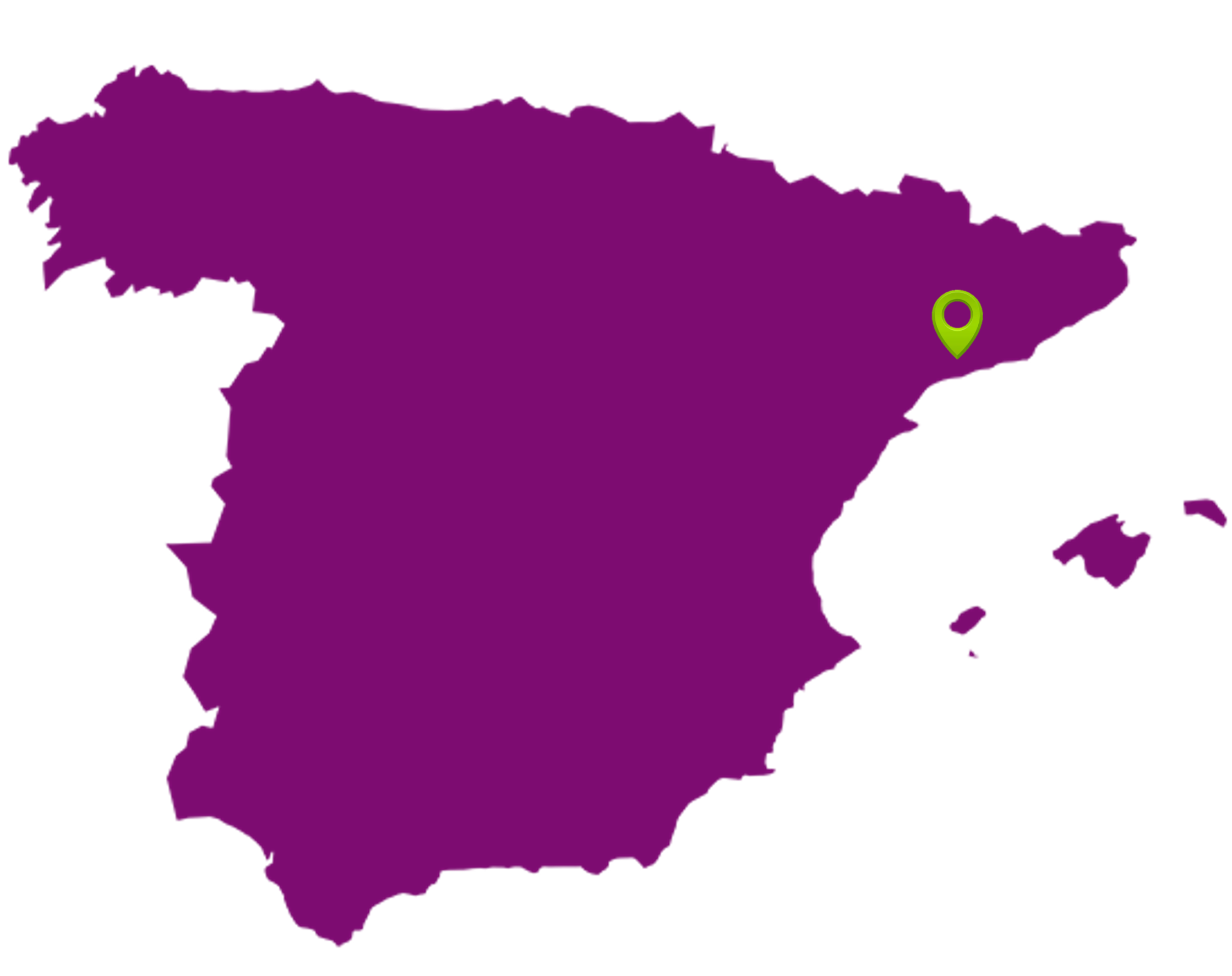
Catalonia, Spain
Founded:
2012
Farming:
Biodynamic, Organic
Size:
28 Hectares
Vine Age:
~80 Years
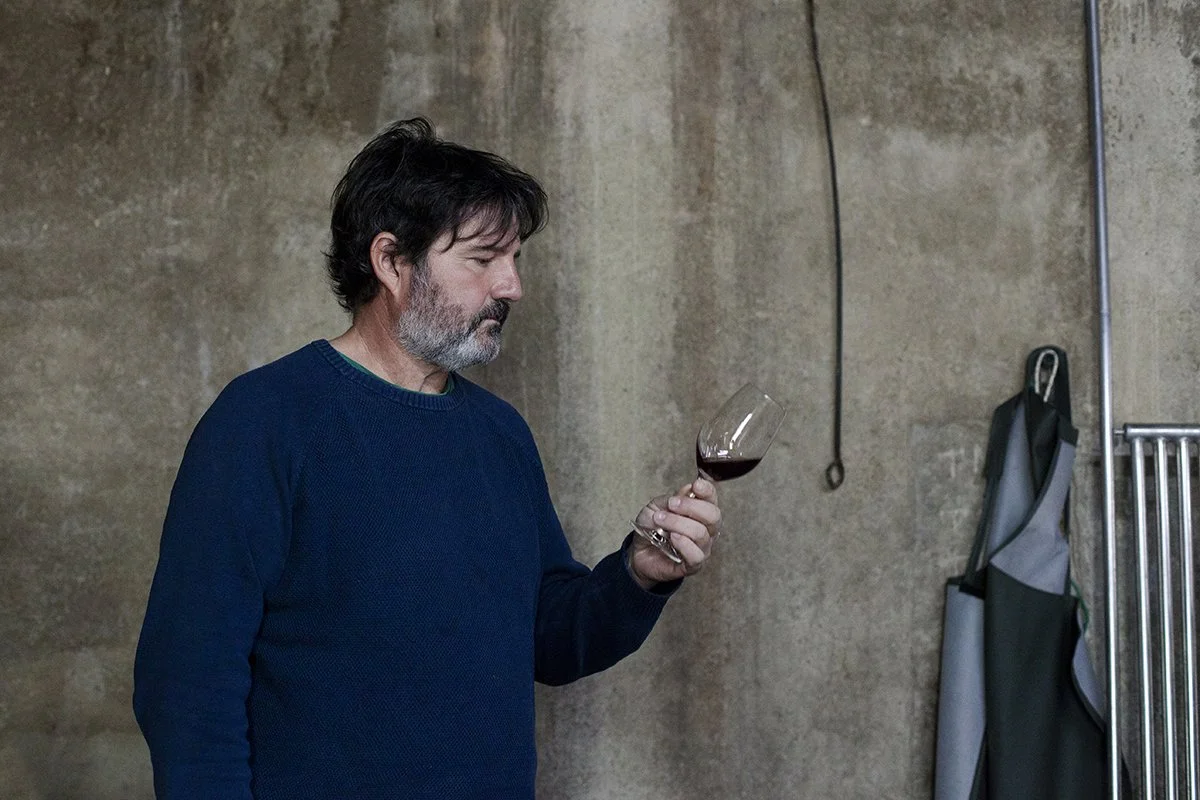
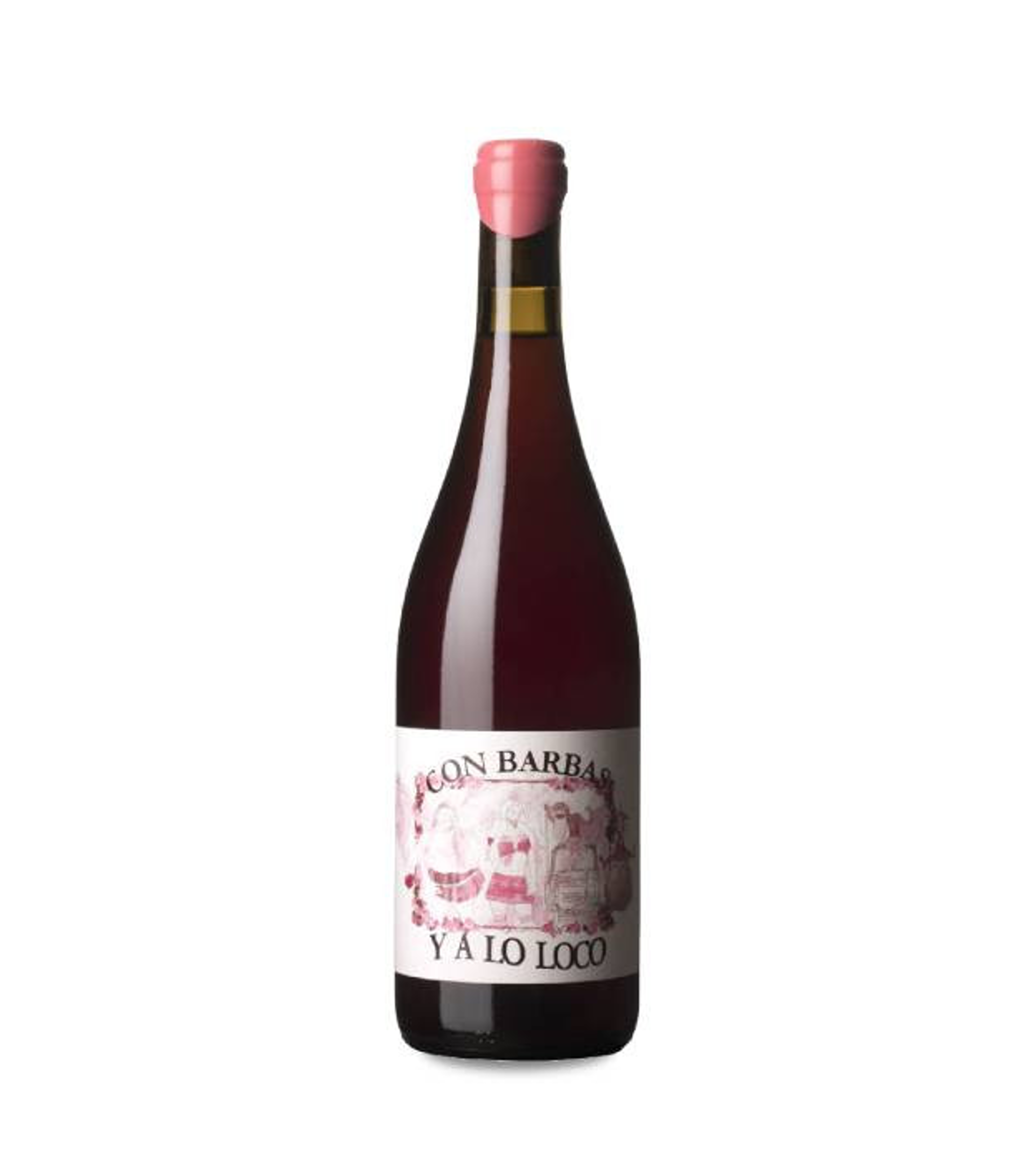
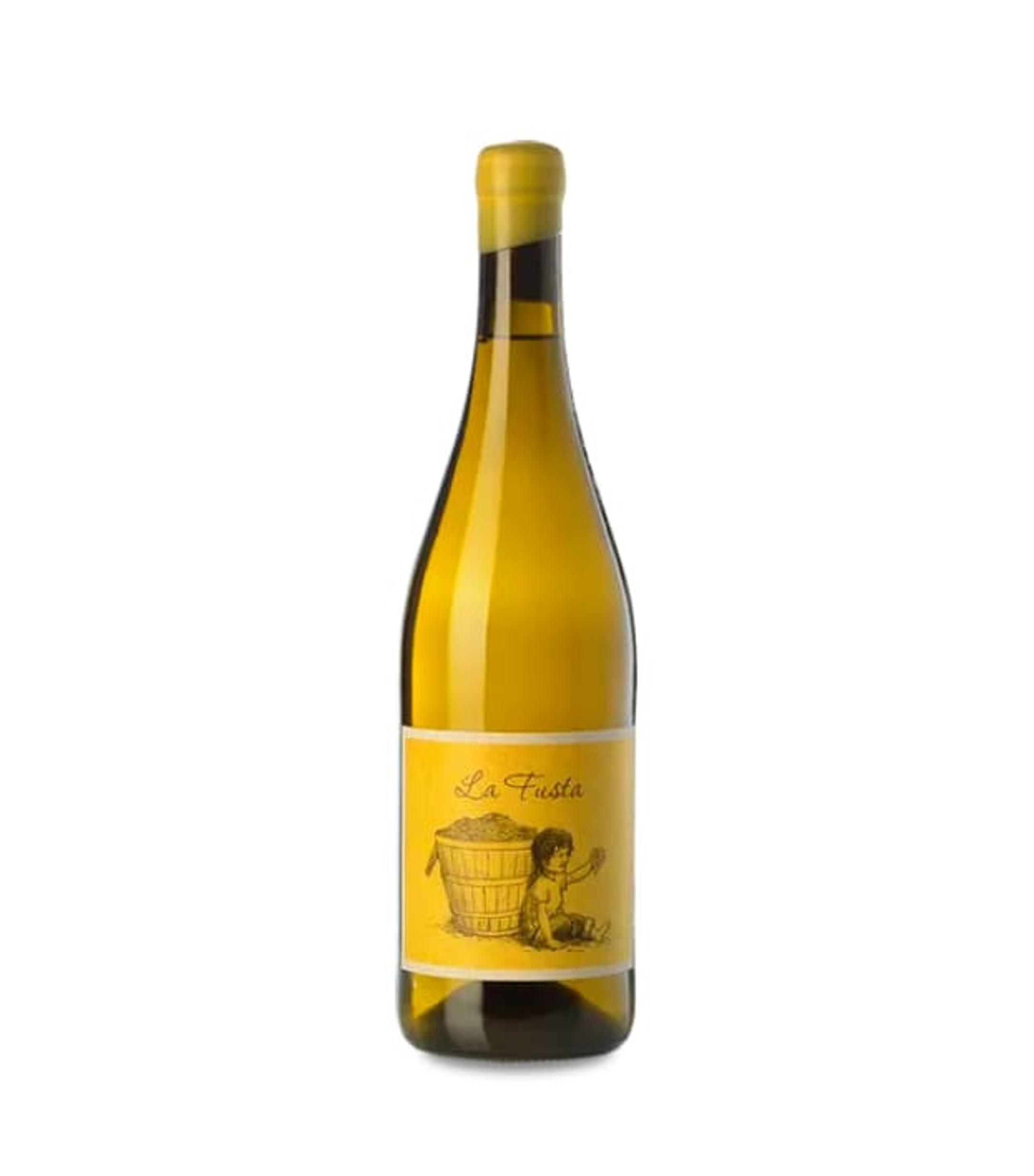
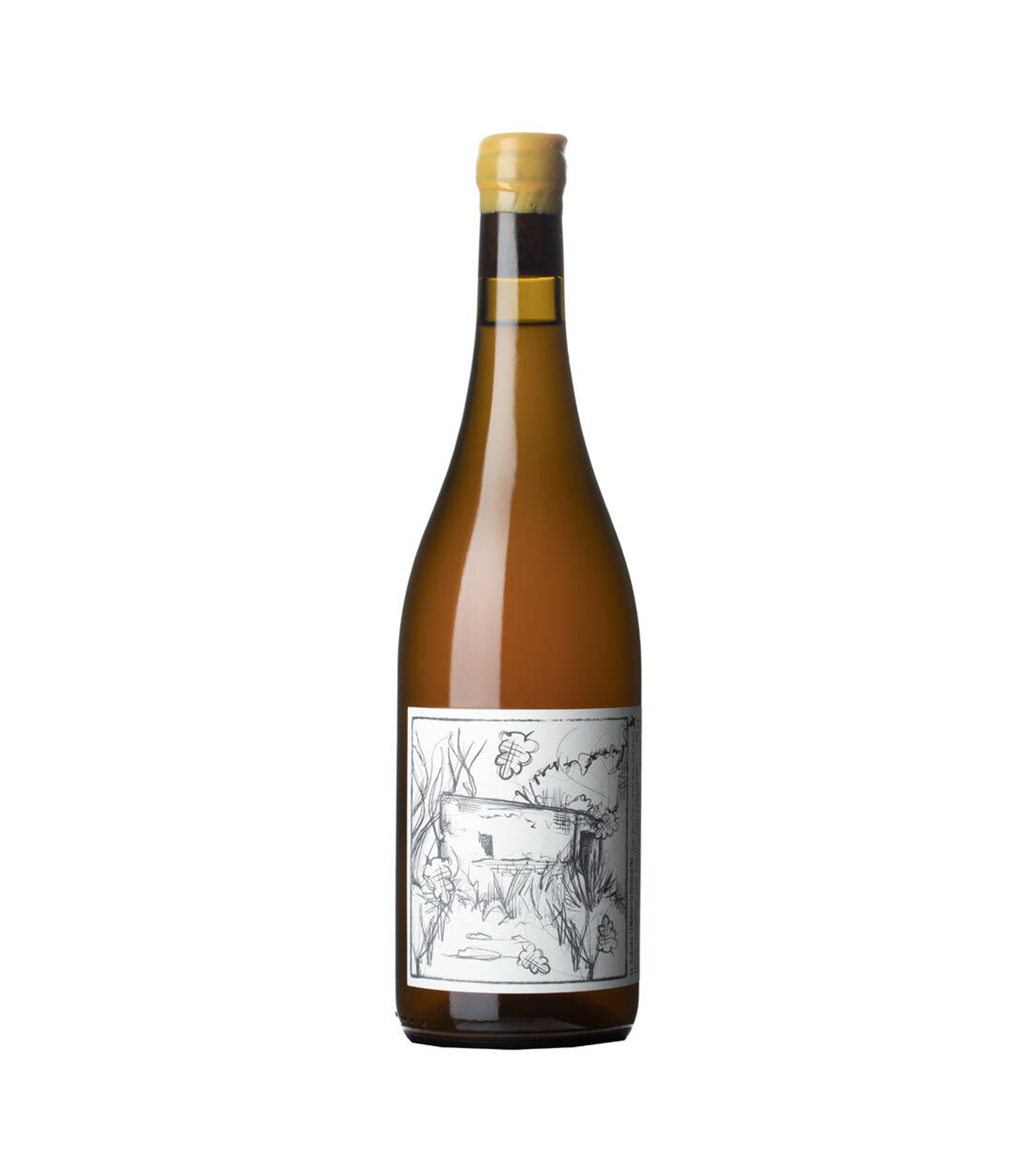
Having spent time with Toni Carbó in the vineyards and cellar at Celler La Salada, it becomes immediately clear that this is not just another natural wine project—it’s a deeply rooted continuation of family, land, and tradition in the heart of Penedès.

Toni first made his name co-founding Mas Candí alongside Ramón Jané, but La Salada, established in 2012, is something far more personal. This is his family’s land—worked for generations without chemicals, long before “organic” became a selling point. Walking these vineyards with Toni, you see soils that are alive: cover crops thriving between rows, no tillage, no herbicides, and a biodiversity that speaks to a genuinely regenerative approach to farming.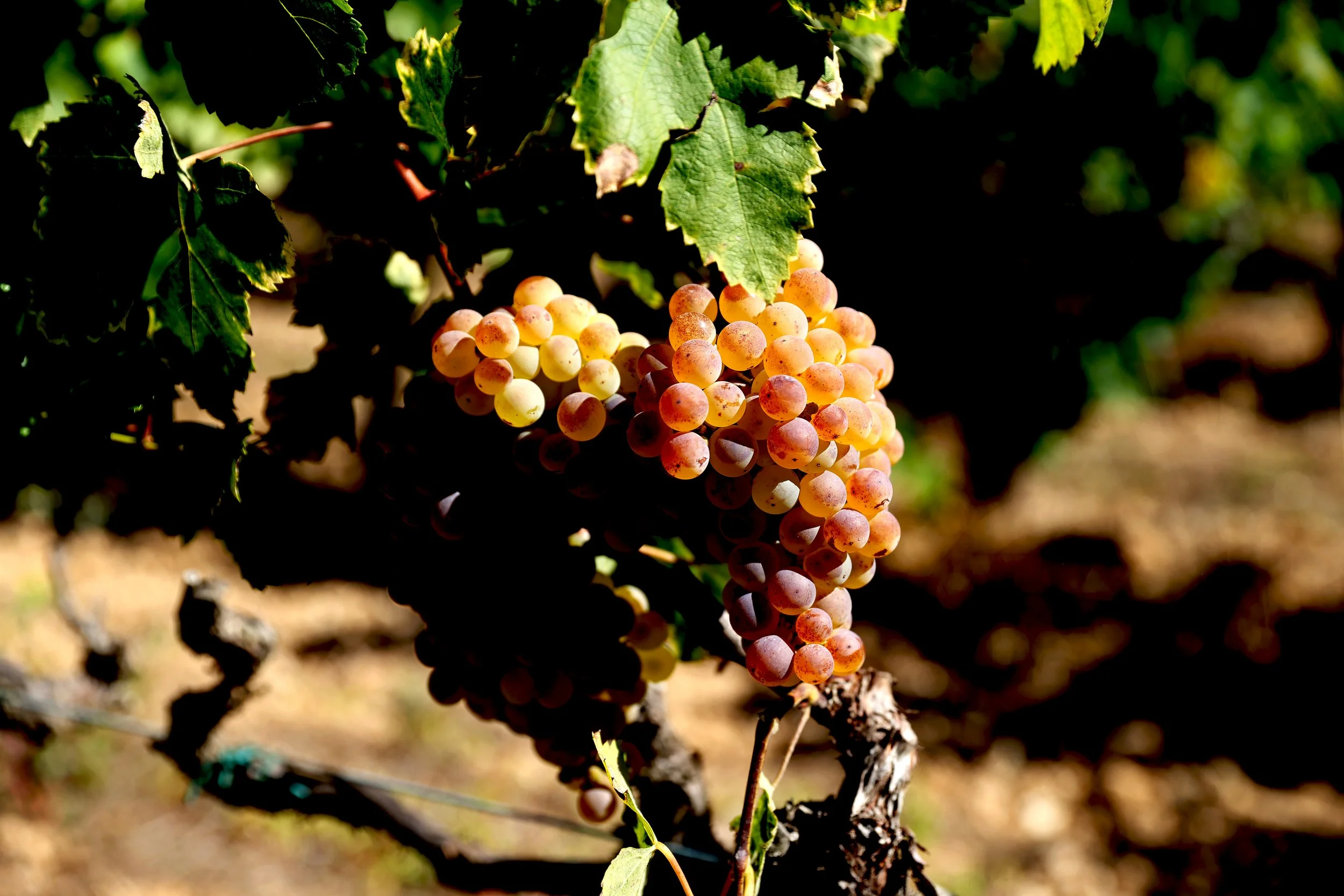
Toni is a fourth-generation grower, and over the past decade he has fully transitioned the family vineyards to organic farming, increasingly guided by biodynamic principles. His focus is simple but uncompromising: build life in the soil, and the wine will follow. He plants grains between rows to naturally regulate nitrogen and enhance soil health—small details that make a significant difference over time.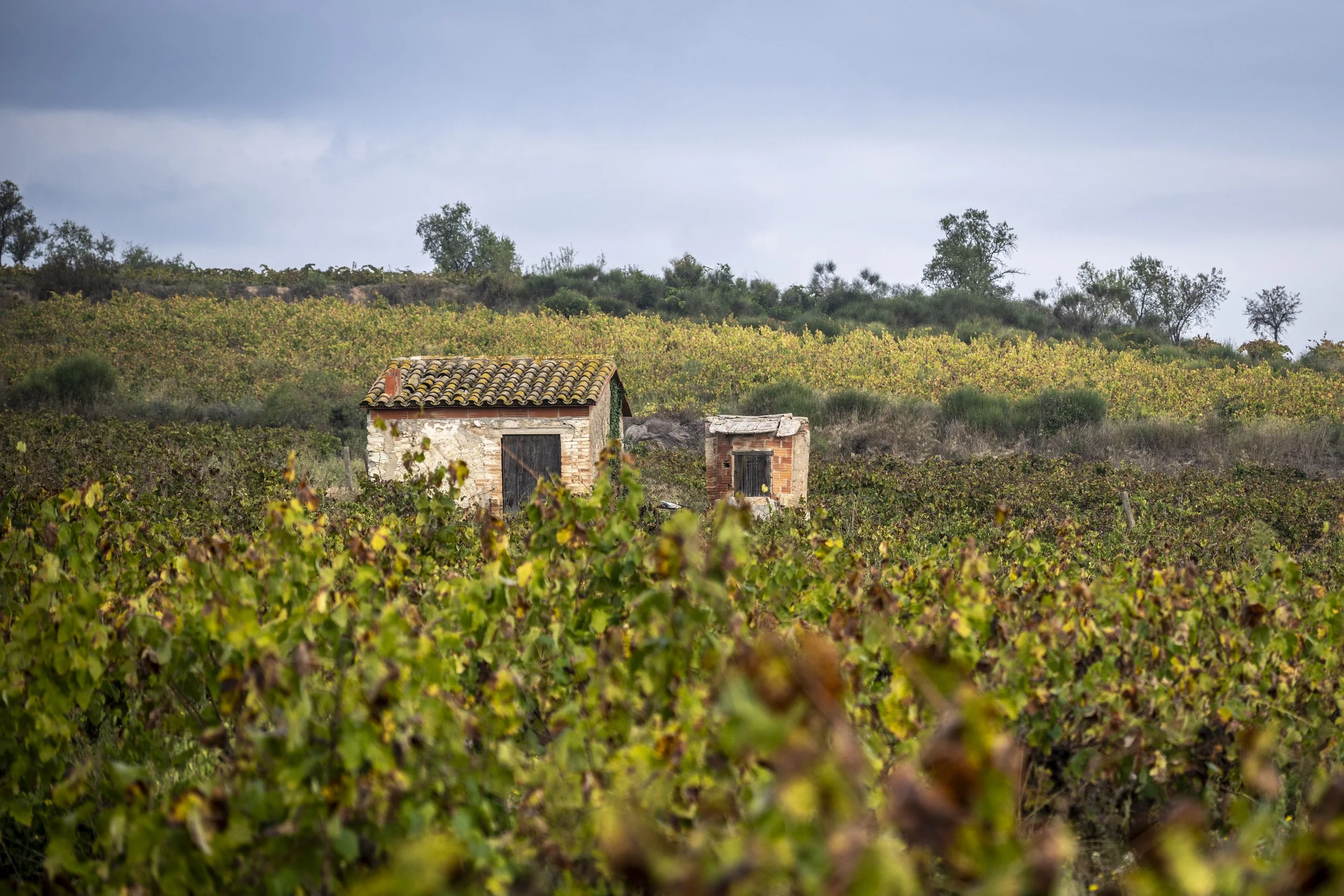
The vineyard is planted predominantly to native Xarel·lo, Macabeu, Sumoll, and Malvasia de Sitges—varieties that thrive in these limestone soils and Mediterranean conditions. Many of the vines are over 80 years old, delivering naturally low yields and incredible concentration without sacrificing freshness.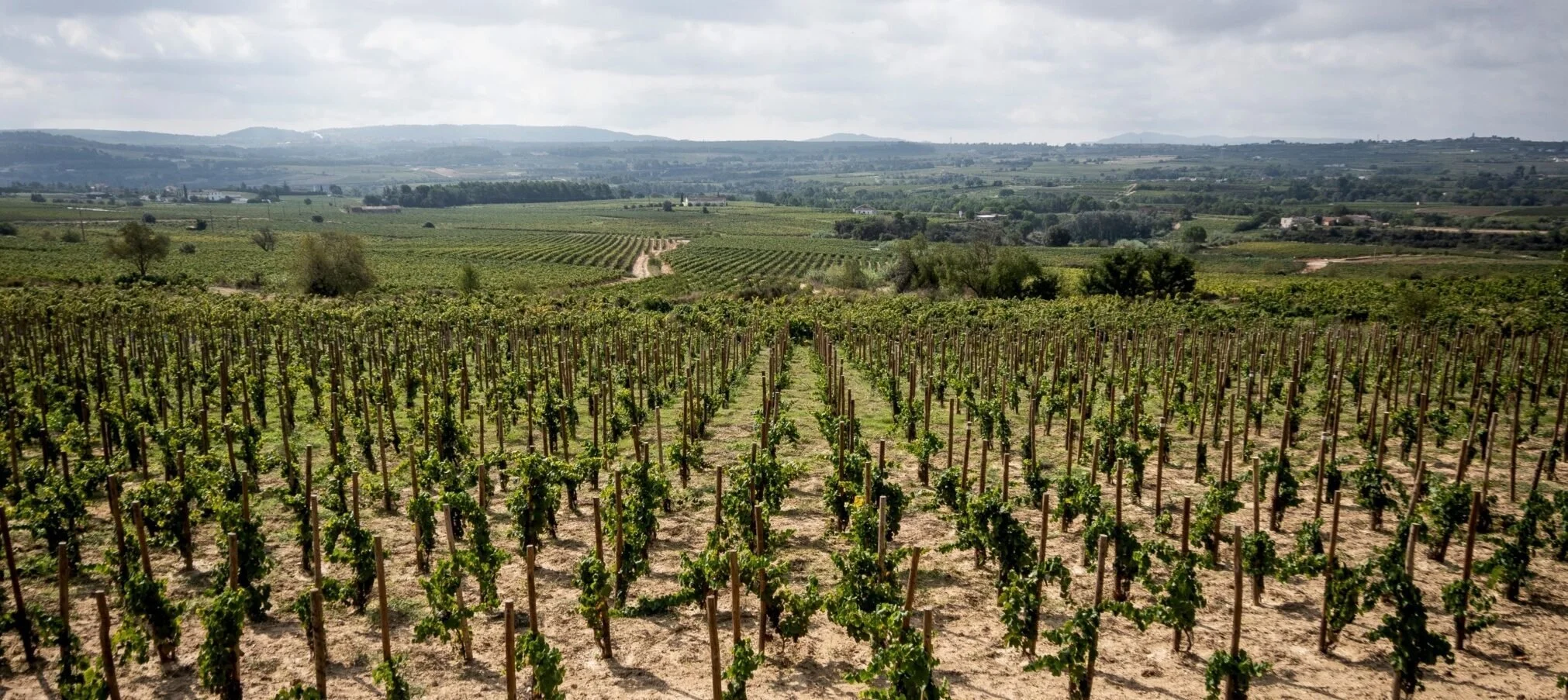
The vineyards sit around the village of Parellada, just west of Barcelona, where Toni’s great-grandfather once farmed a modest property known as La Salada. What struck me most hearing Toni tell the story was his grandfather’s instinct for land—buying parcels others overlooked: cooler sites, shaded exposures, and limestone-rich slopes near the river. There’s a quiet respect for Toni among the natural wine community across Europe. Several leading French vignerons working in low-intervention wine regularly source fruit from his vineyards—an indication of just how highly regarded his farming is.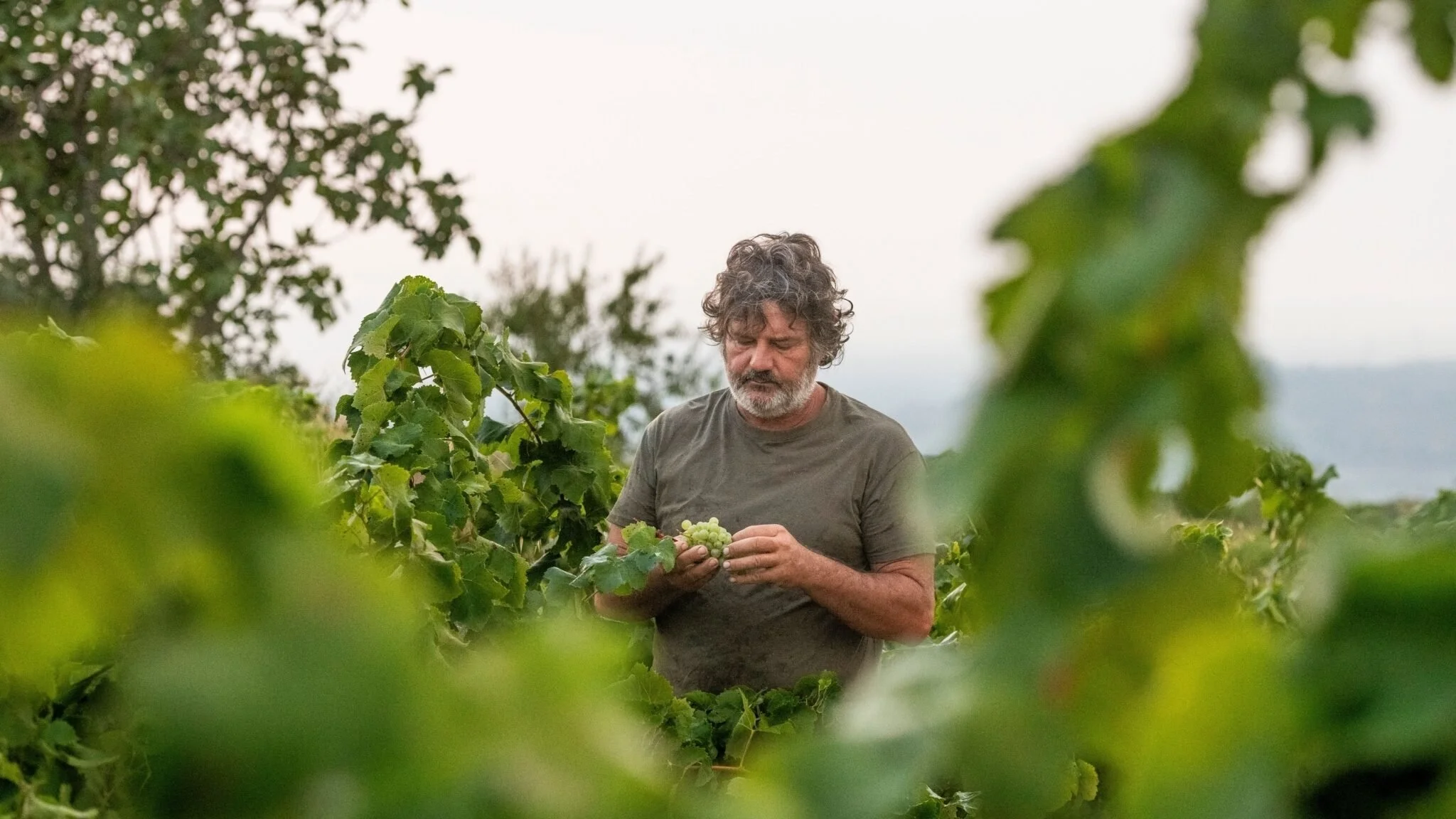
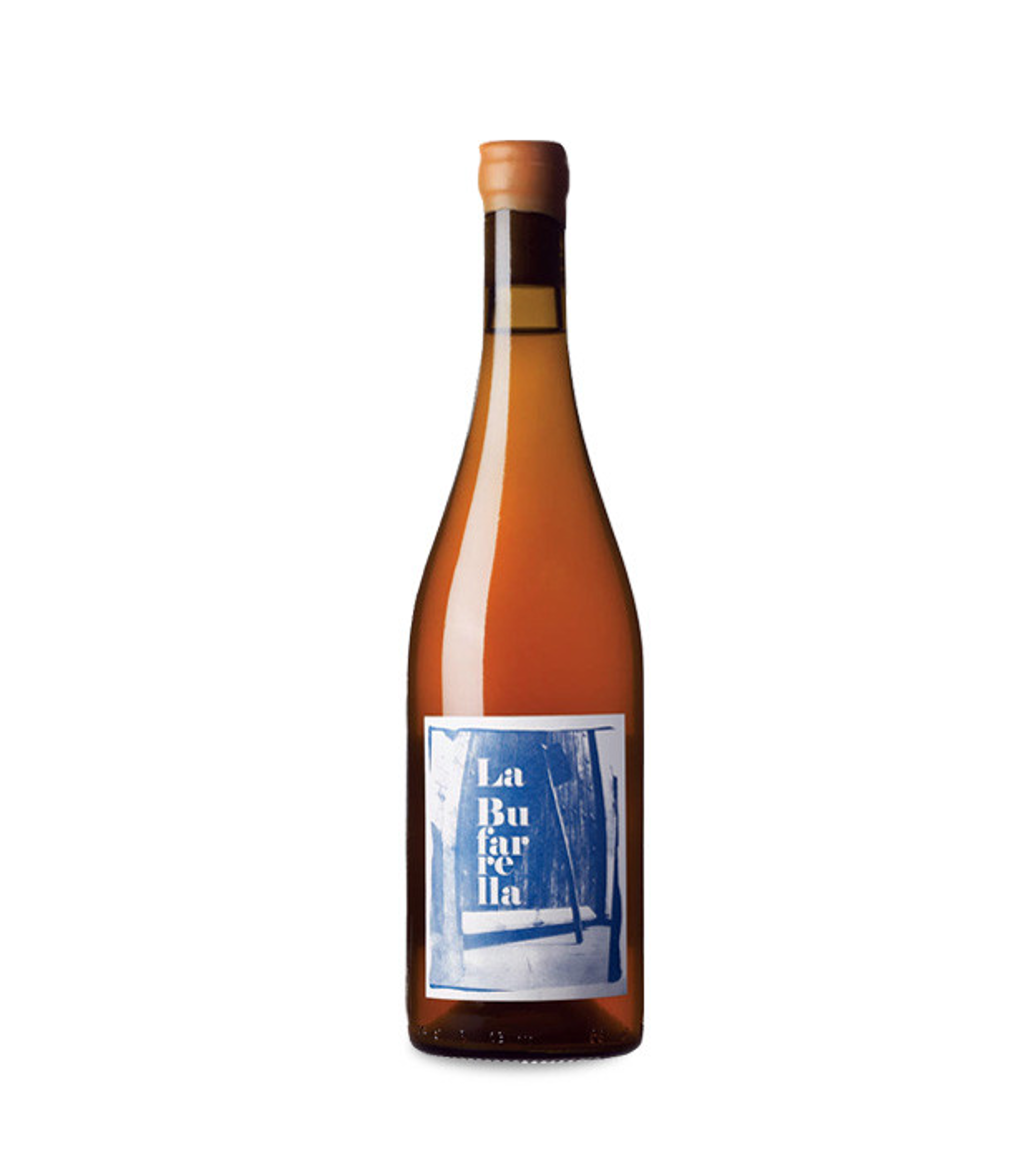
In the cellar, the philosophy is just as pure. Toni has restored his grandfather’s original winery, and everything happens here: pressing, fermentation, élevage. There are no additions whatsoever—no sulfur, no corrections—and fermentations are spontaneous. Many wines see extended skin contact, echoing the traditional methods once practiced by local pagès (farmers), resulting in wines that are textured, energetic, and unmistakably alive.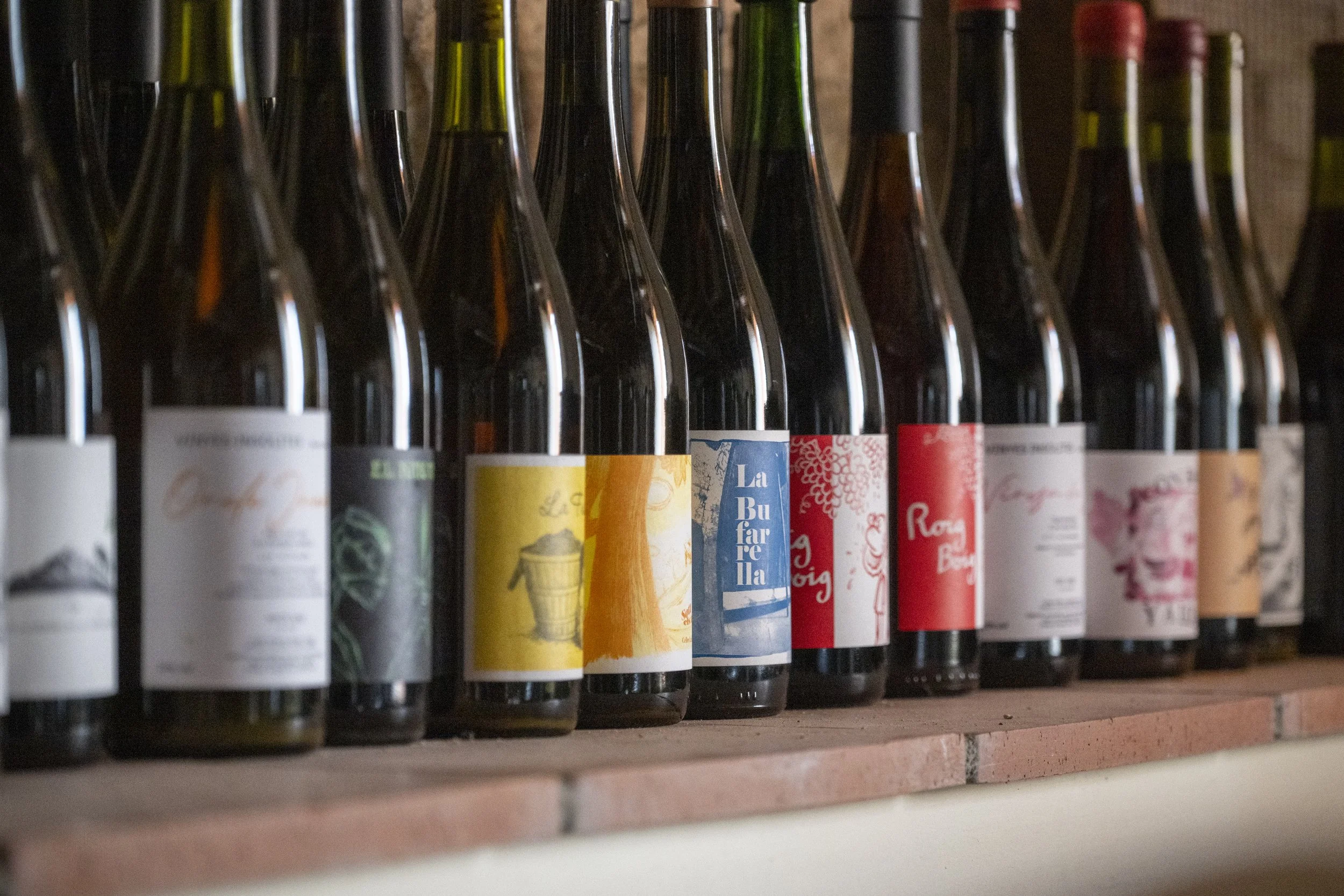
Today, these plots are some of the most sought-after in the region, perfectly suited to producing fresh, mineral, and characterful wines that define traditional Vi Català.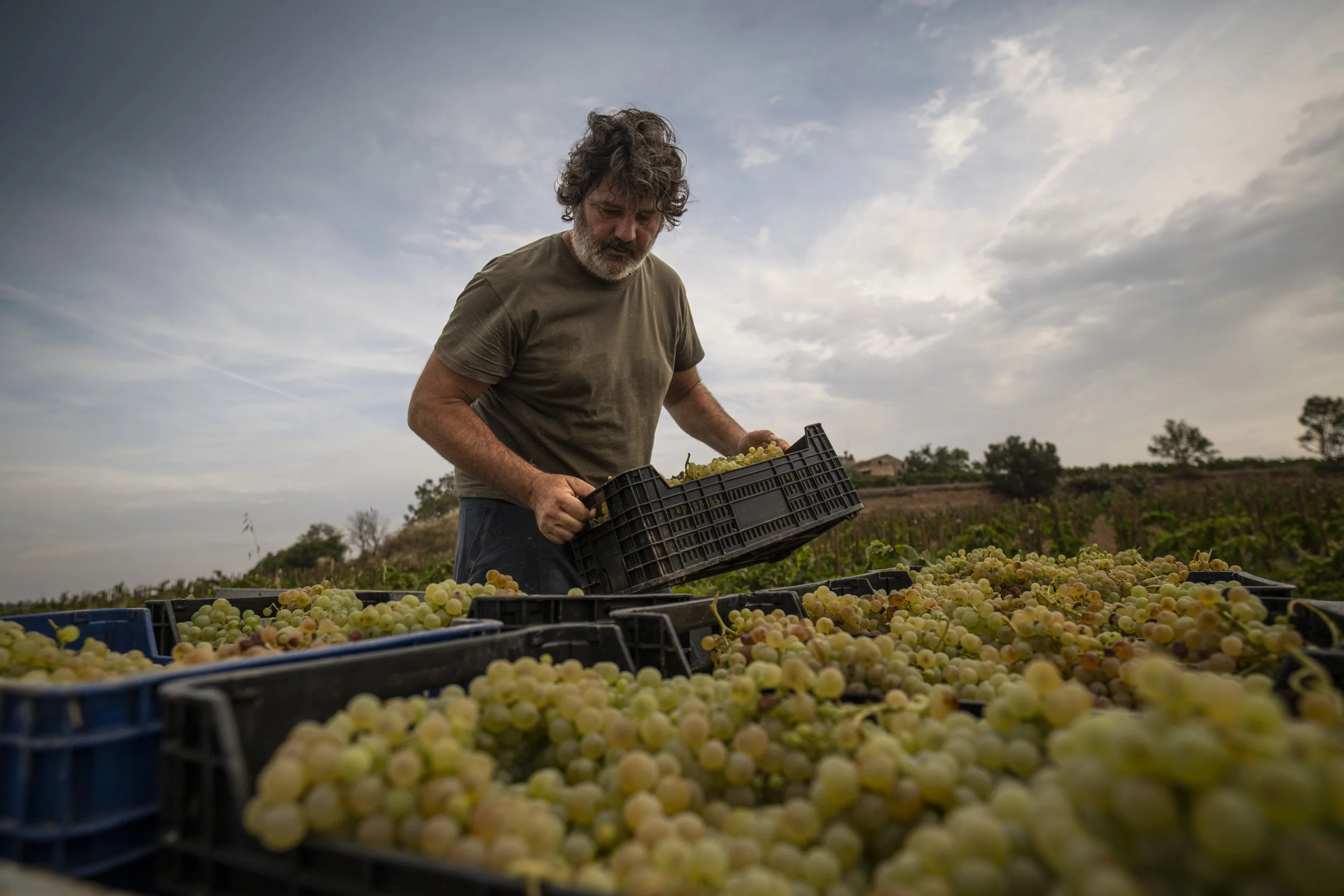
La Salada now spans around 28 hectares, with Toni farming the majority and working closely with family and friends who share the same commitment to sustainable viticulture. Despite growing international demand, nothing about the approach feels scaled or compromised—it remains hands-on, thoughtful, and deeply connected to place.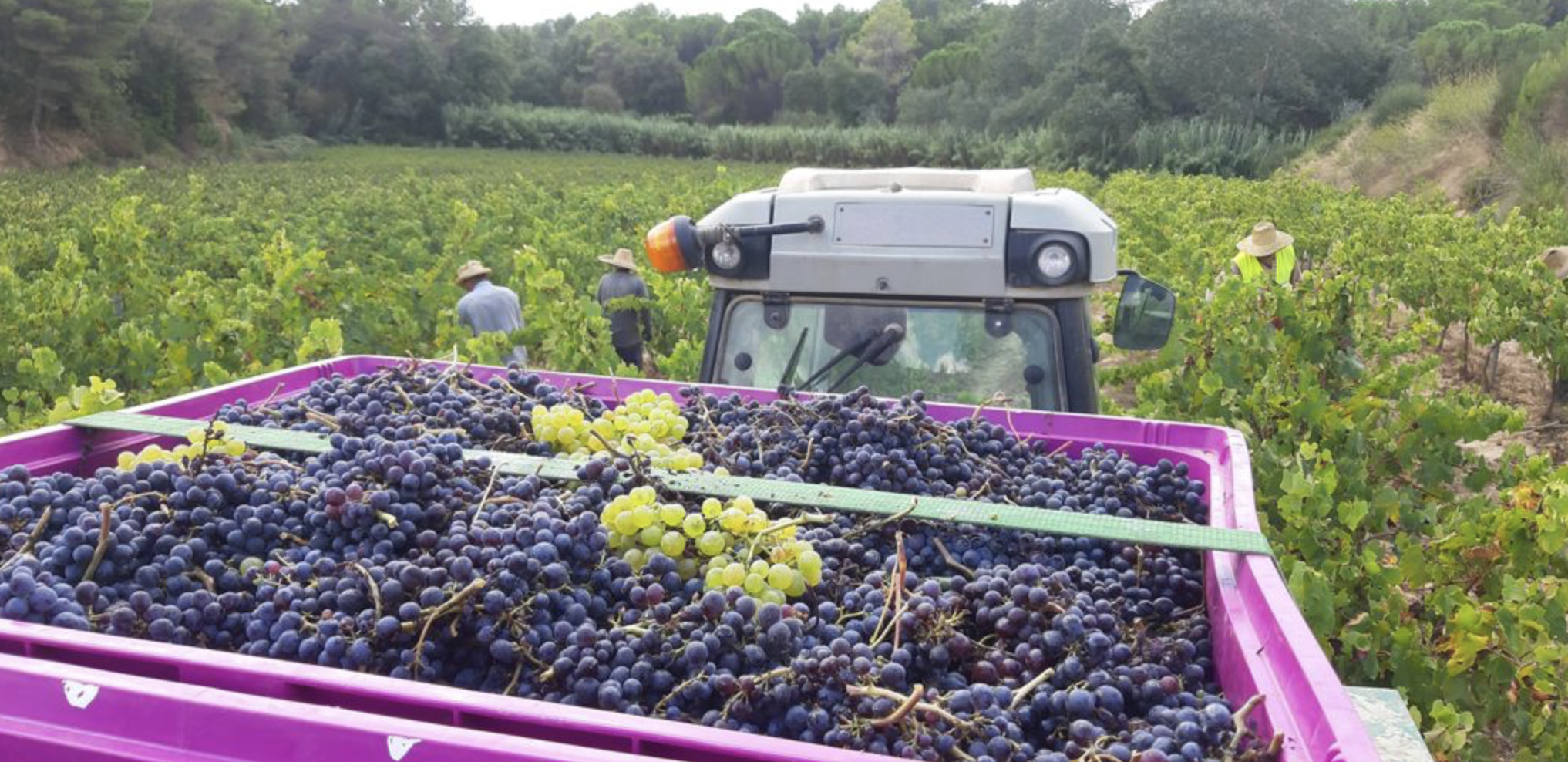
What stays with you after visiting is the sense that these wines are not constructed—they’re remembered. They reflect how wine used to be made in Penedès: vibrant, unpolished, expressive, and full of life. Toni is now raising the fifth generation on this land, and if what he’s building today is any indication, the future of La Salada is in very good hands.