

Natural Wines >
Natural Wines >
FEATURED PRODUCTS
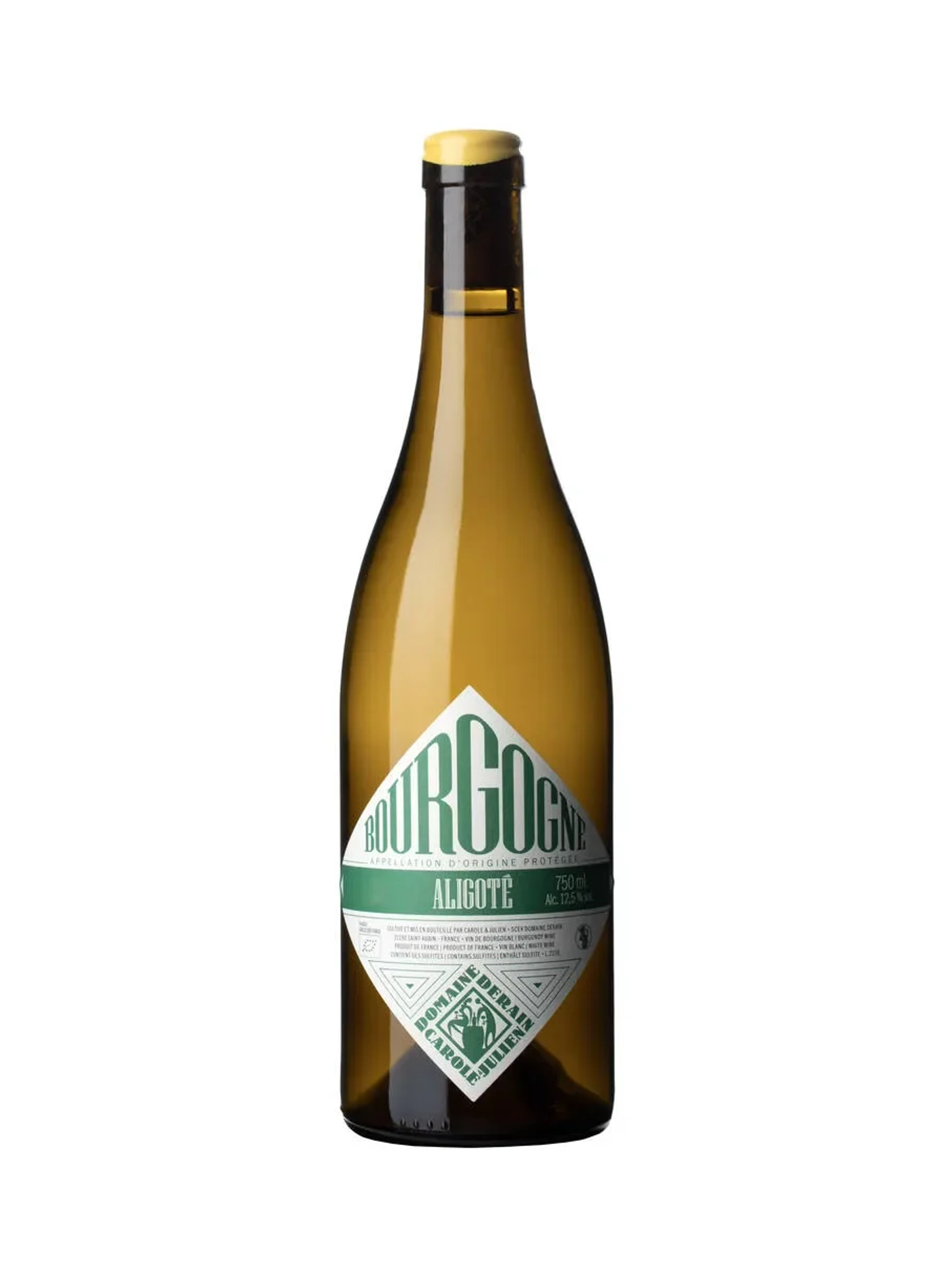
Description:
Grapes for this Aligoté come from Dominique’s oldest plots in Puligny-Montrachet and are harvested late in the season, producing small, concentrated golden berries that yield an intense, richly textured wine. Planted on clay-silt soils in the lower slopes of Puligny, the vines are whole-cluster pressed at harvest; the juice is then fermented and aged for six months in a combination of oak barrels and a large foudre.
Extended barrel aging—carefully managed throughout the process—allows the wine to fully express the Aligoté’s natural character while preserving the variety’s delicate purity, resulting in refined finesse and elegant structure. Subtle aromatic and textural nuances are harmonized by the estate’s meticulous cellar work under Julien Altaber and Carole Schwab, who continue the thoughtful tradition founded by Dominique Derain.
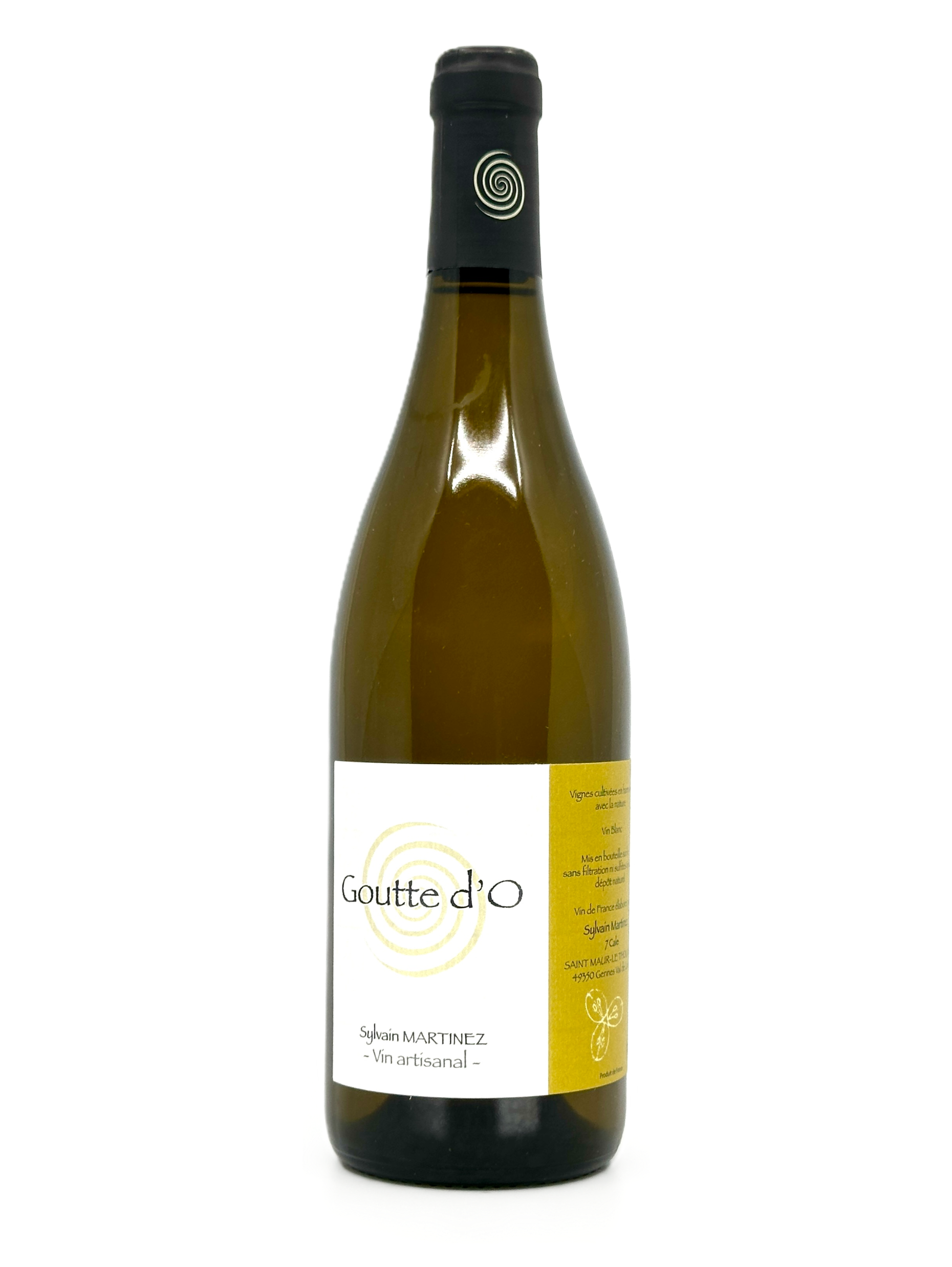
Description:
Sylvain Martinez’s Goutte d'O Chenin Blanc is a standout dry Chenin Blanc from a celebrated vineyard in Anjou, Loire Valley. Produced by a small-scale, dedicated grower farming just three hectares, this wine reflects meticulous natural winemaking and a strong sense of place. Its concentrated, serious character and pronounced minerality come from schist soils in Martigné-Briand, giving the wine striking depth and terroir-driven complexity.
Serve Goutte d'O chilled at around 8–9°C and allow it to gently warm in the glass to reveal layered aromas and flavours. This Chenin Blanc pairs beautifully with seafood—oysters and shellfish are classic matches—as well as with fresh young goat’s cheeses or aged hard cow’s cheeses. Ideal for fans of mineral, structure-driven white wines, Sylvain Martinez’s Goutte d'O is one of the Loire Valley’s most compelling expressions of dry Chenin Blanc.
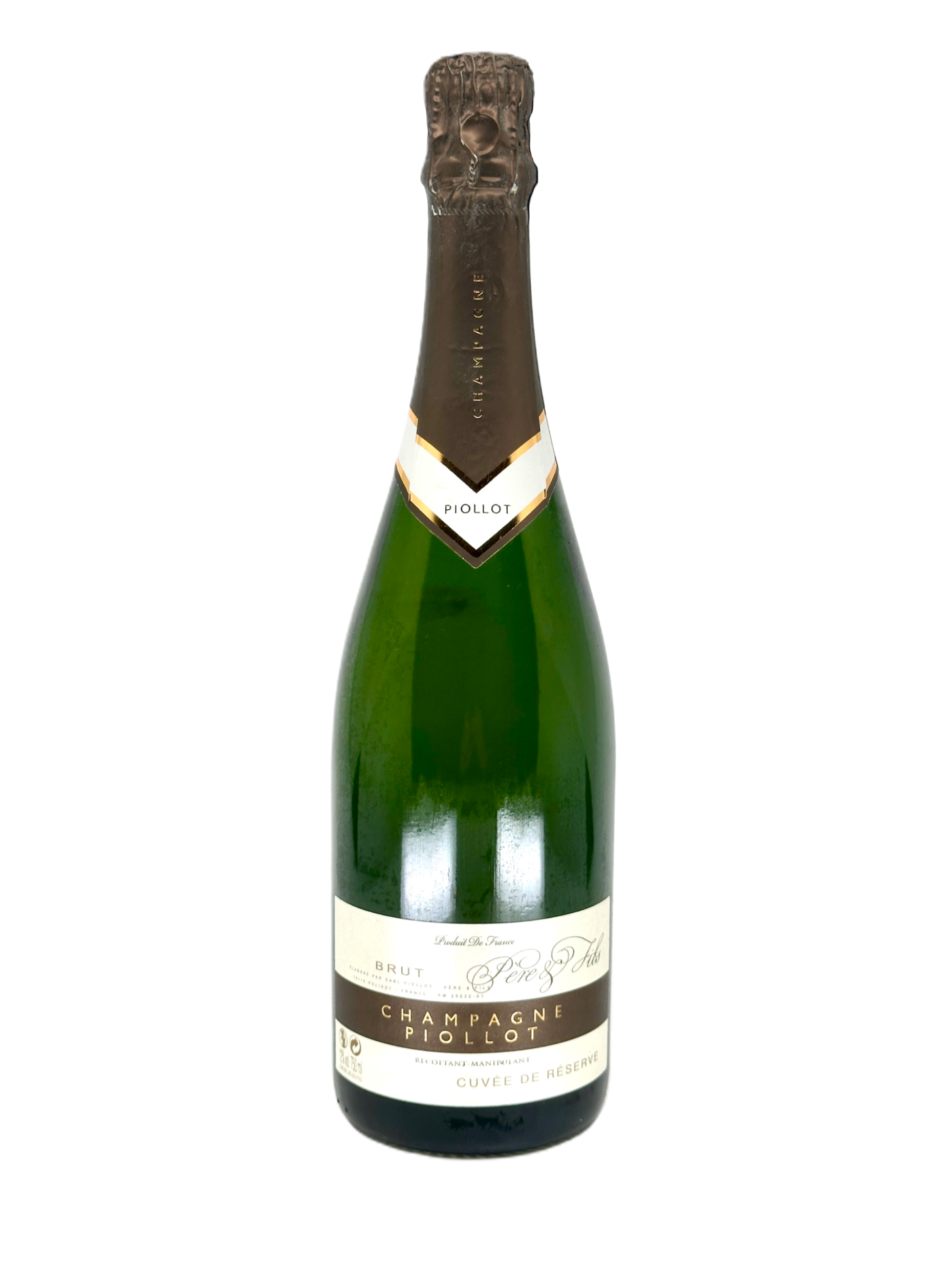
Description:
Crafted by the accomplished Piollot biodynamic grower in the renowned Côtes de Bar region of Champagne, this exceptional 2013 vintage is a beautifully mature blend of Pinot Noir and Chardonnay that showcases the elegance, complexity and longevity of estate-grown Champagne. After more than a decade of careful ageing, this rare vintage has developed remarkable finesse while retaining the freshness and vibrant acidity that define the region's finest grower Champagnes.
In the glass, it displays a pale lemon hue with a persistent stream of fine, delicate bubbles. The nose is expressive and refined, revealing layers of wild strawberry, yellow cherry, ripe peach, crisp apple, lemon zest and orange citrus. Time on lees has added inviting aromas of fresh brioche, bread dough and subtle yeast autolysis, complemented by delicate notes of honey and toasted pastry.
The palate is dry, precise and beautifully balanced, with lively acidity providing structure to generous flavours of strawberry pâtisserie, juicy peach, honeyed red apple and fresh cream. Hints of lemon biscuits, green apple crunch and mineral freshness lead into a long, elegant finish that reflects the distinctive limestone and clay soils of the Côtes de Bar. Every sip highlights the precision and purity achieved through biodynamic farming and meticulous vineyard management.
With the 2013 vintage now becoming increasingly difficult to source, this is an exceptionally rare opportunity to experience a mature grower Champagne at its peak. Combining the richness of Pinot Noir with the finesse of Chardonnay, it is an outstanding choice for collectors, Champagne enthusiasts and anyone seeking an authentic, terroir-driven expression from one of Champagne's most exciting biodynamic producers.
Hurry, we only have a few left!
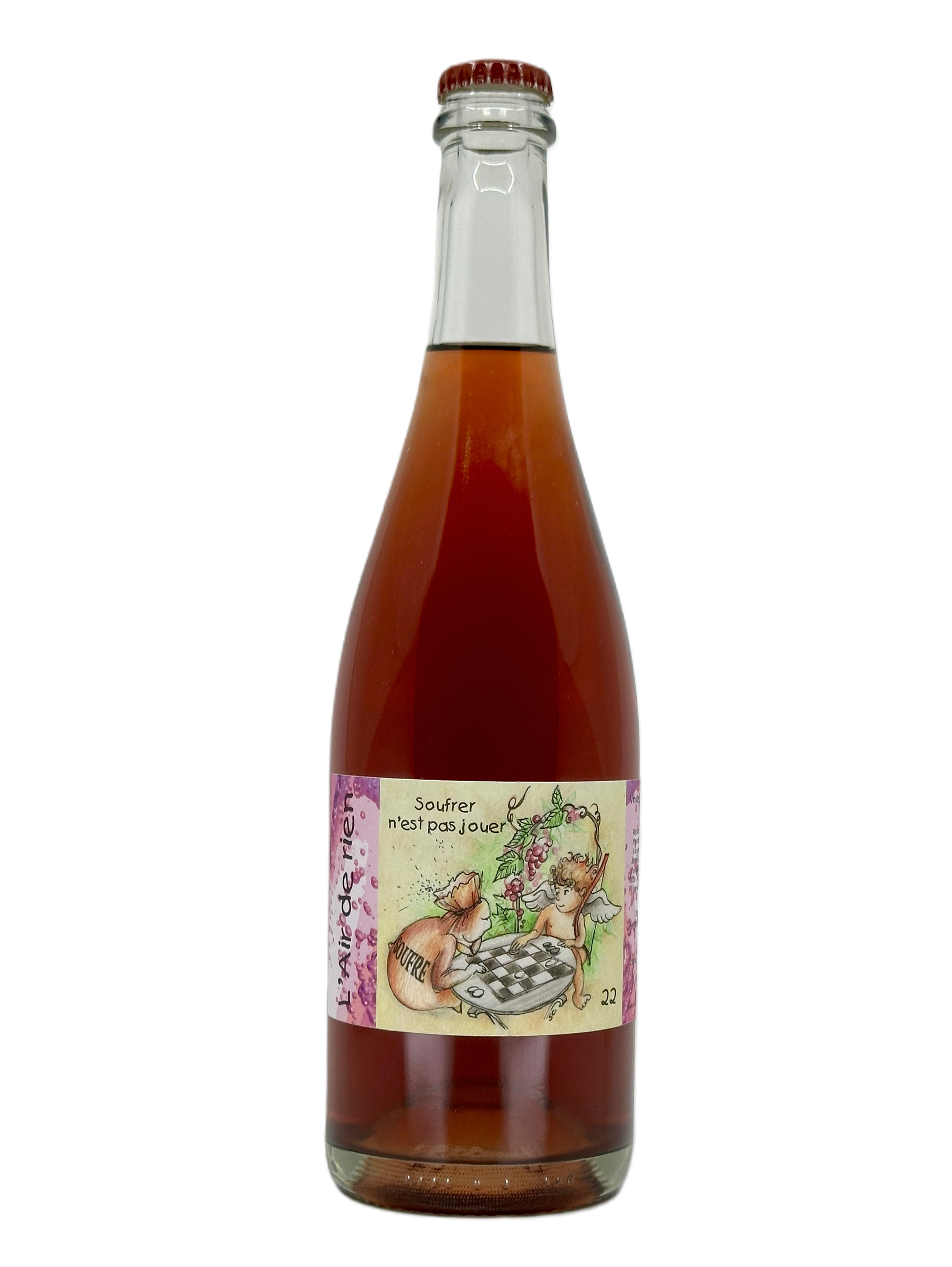
Description:
Jérôme Lambert cultivates 4.5 hectares across small, distinct parcels in Thouarcé, Faye d’Anjou, Rablay-sur-Layon and Champ-sur-Layon, focusing on organic viticulture and decades of additive-free winemaking. A leading natural winemaker in the Loire—and widely respected across France—Jérôme combines meticulous fruit selection with minimal intervention to produce wines that express place and purity.
His vineyards around Rablay-sur-Loire are planted mainly to Chenin Blanc, Grolleau and Gamay. Typical of the region, the Chenin thrives on schist soils, producing wines with depth, mineral tension and vibrant acidity. The red varieties are planted on sandier soils, yielding lifted, aromatic wines with delicate texture and clarity.
Winemaking at Jérôme’s domaine is deliberately simple: rigorous selection in the vineyard, no oak aging and no technological additions in the cellar. The result is exceptional primary fruit expression, transparency of terroir and wines with striking purity and detail.
L’air de Rien, Jérôme’s sparkling rosé, is crafted from a blend of red varieties grown on sandy soils, delivering bright aromatics, saline freshness and the light, aromatic profile that defines his style.
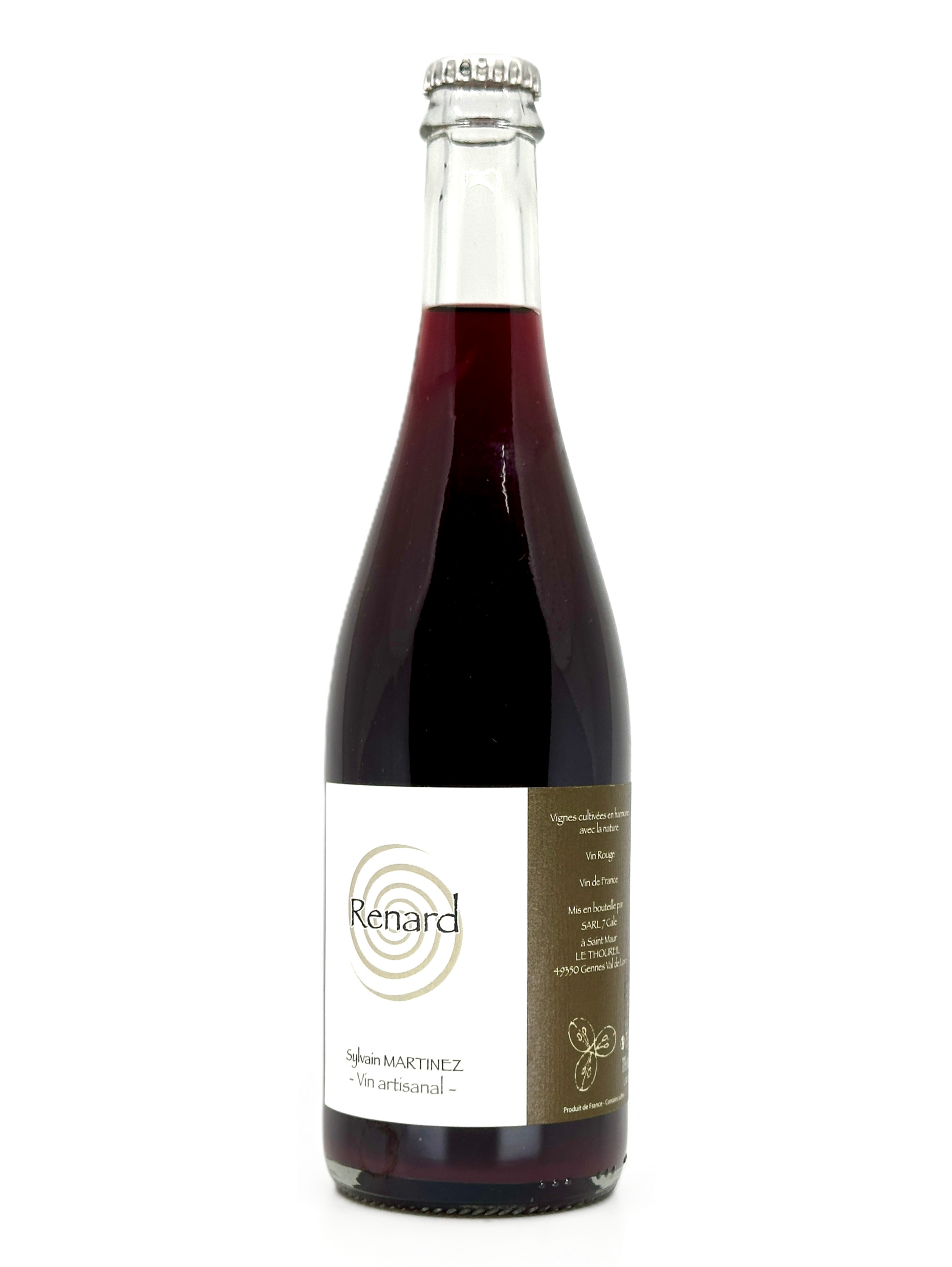
Description:
Absolute Anjou elegance from winemaker Sylvain Martinez: a refined light-to-medium-bodied red that artfully balances bright, peppery spice with subtle earthy minerality and an alluring, silky texture. Grown on pale, sandy soils in Saint-Georges-des-7-Voies, this natural wine reveals gorgeous dark, grapey fruit alongside delicate, gentle floral notes that linger on the palate.
Fresh and immediately approachable, this beautifully balanced red makes an ideal introduction to Sylvain Martinez’s naturally made wines, proudly showcasing sustainable viticulture and a philosophy of minimal intervention in the cellar.
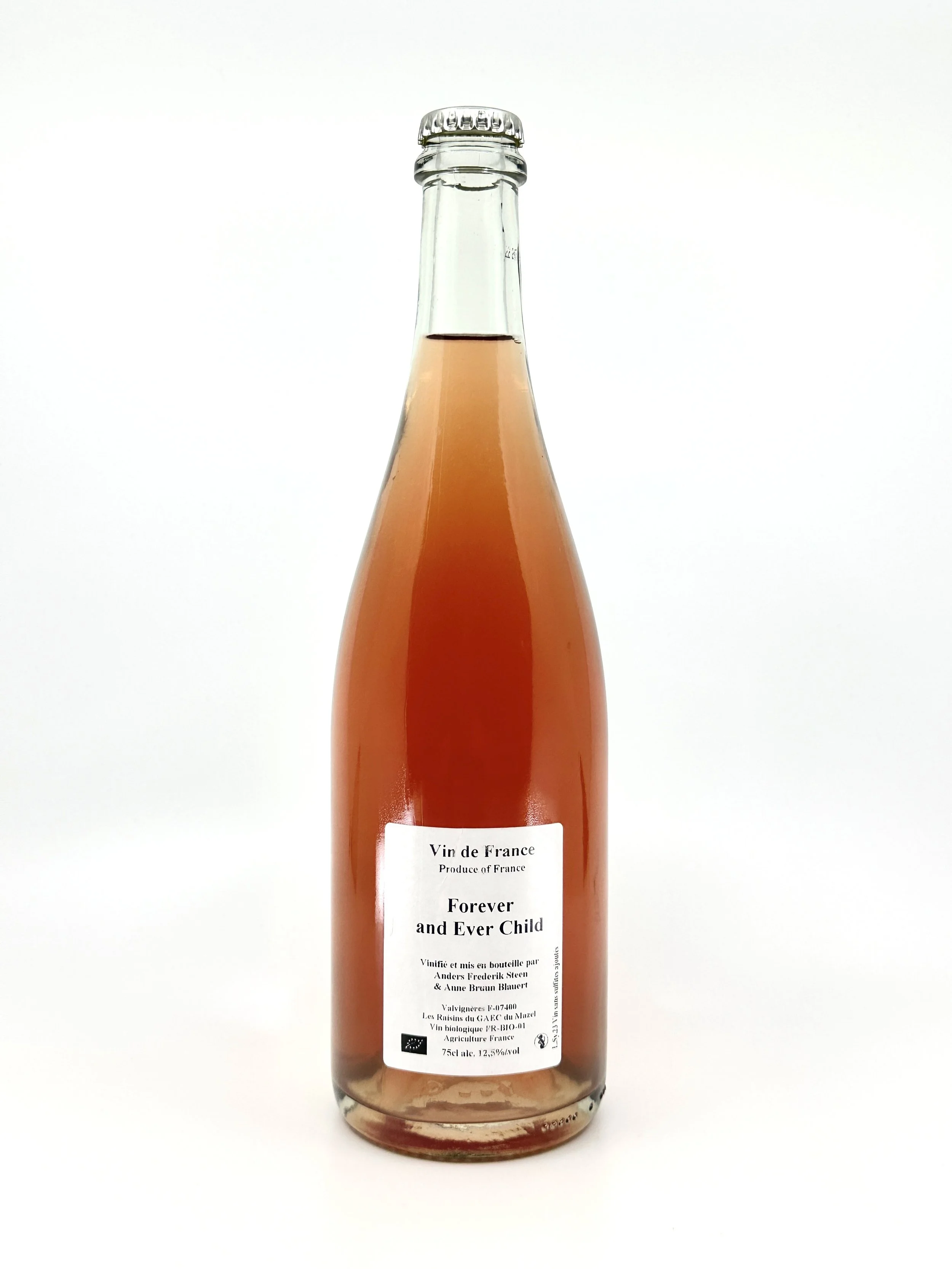
Description:
The Forever and Ever Child 2023 is a strikingly quick vintage — Anders and Anne watched fermentation race ahead faster than any year before, with many of their whites finishing well before red harvest even began. This sparkling rosé is made from Syrah grown by their friends at Le Mazel and underwent a gentle twelve-hour direct press. It started life in cuve, completed fermentation in bottle and then rested patiently for a year on the lees before disgorgement.
The result is a dry, lively pétillant whose fine bubbles lift delicate, persistent notes of red fruit, blood orange and a subtle thread of spice.
Magusto Wines is a proudly independent natural wine importer and distributor across Australia.
We import and distribute one of a kind natural wines throughout Australia. We specialise in sustainably grown, minimally intervened wines from small-scale organic and biodynamic producers.
Our curated selection includes terroir-driven skin-contact wines, low‑sulphite reds, wild‑fermented sparkling and other natural styles that reflect authentic provenance.